

Factory 1
Primary manufacturing infrastructure supporting iBULe's material-to-component production workflow.
iBULe operates two factory facilities, a dedicated water-tank building, 40 piezoelectric single-crystal manufacturing machines, 18 machining systems, and the SDECS material-characterization platform.
The production footprint is organized across Factory 1, Factory 2, the R&D Center, and a dedicated water-tank facility for acoustic evaluation.
Primary manufacturing infrastructure supporting iBULe's material-to-component production workflow.
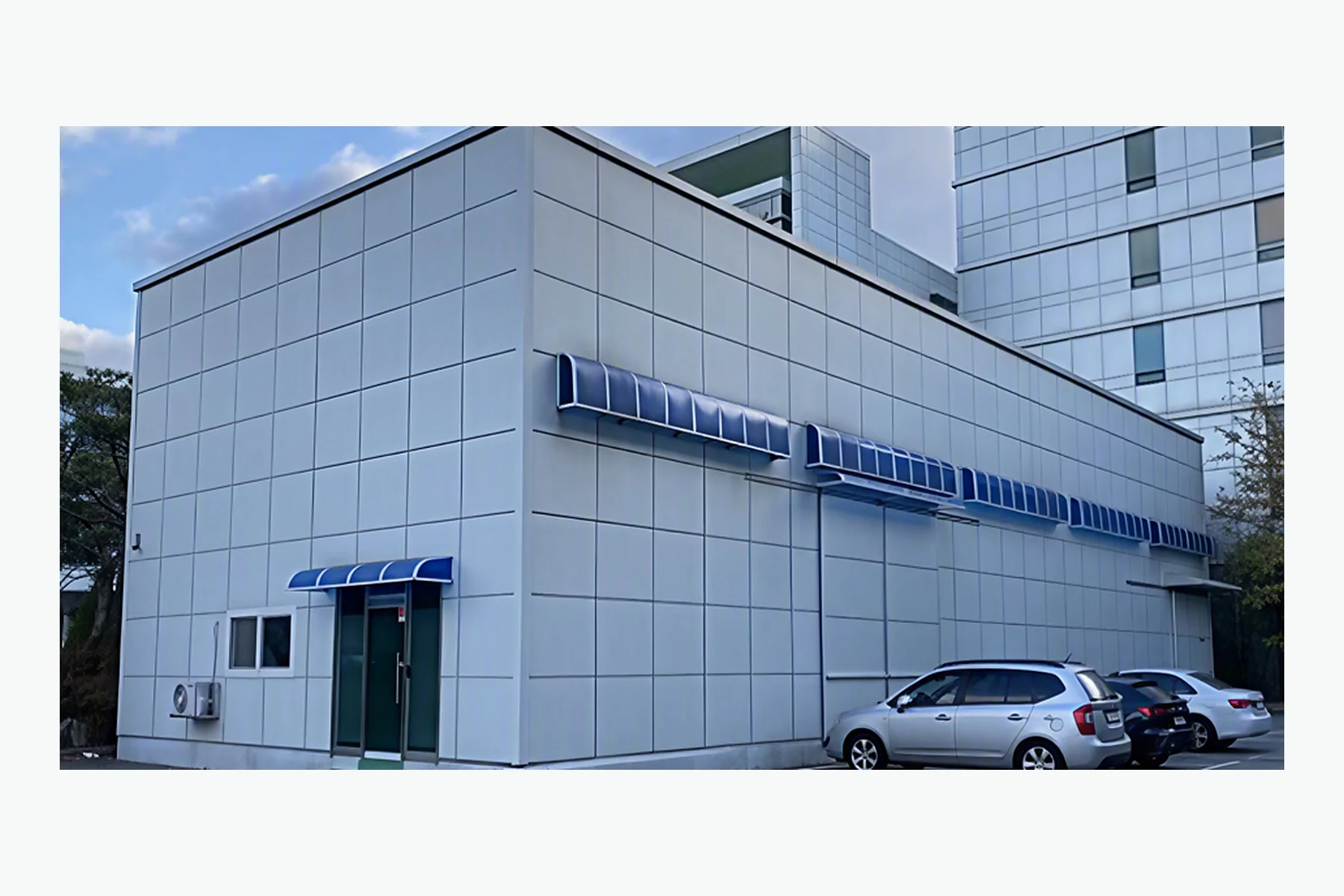
Additional production capacity supporting expanded manufacturing, processing, and program execution.
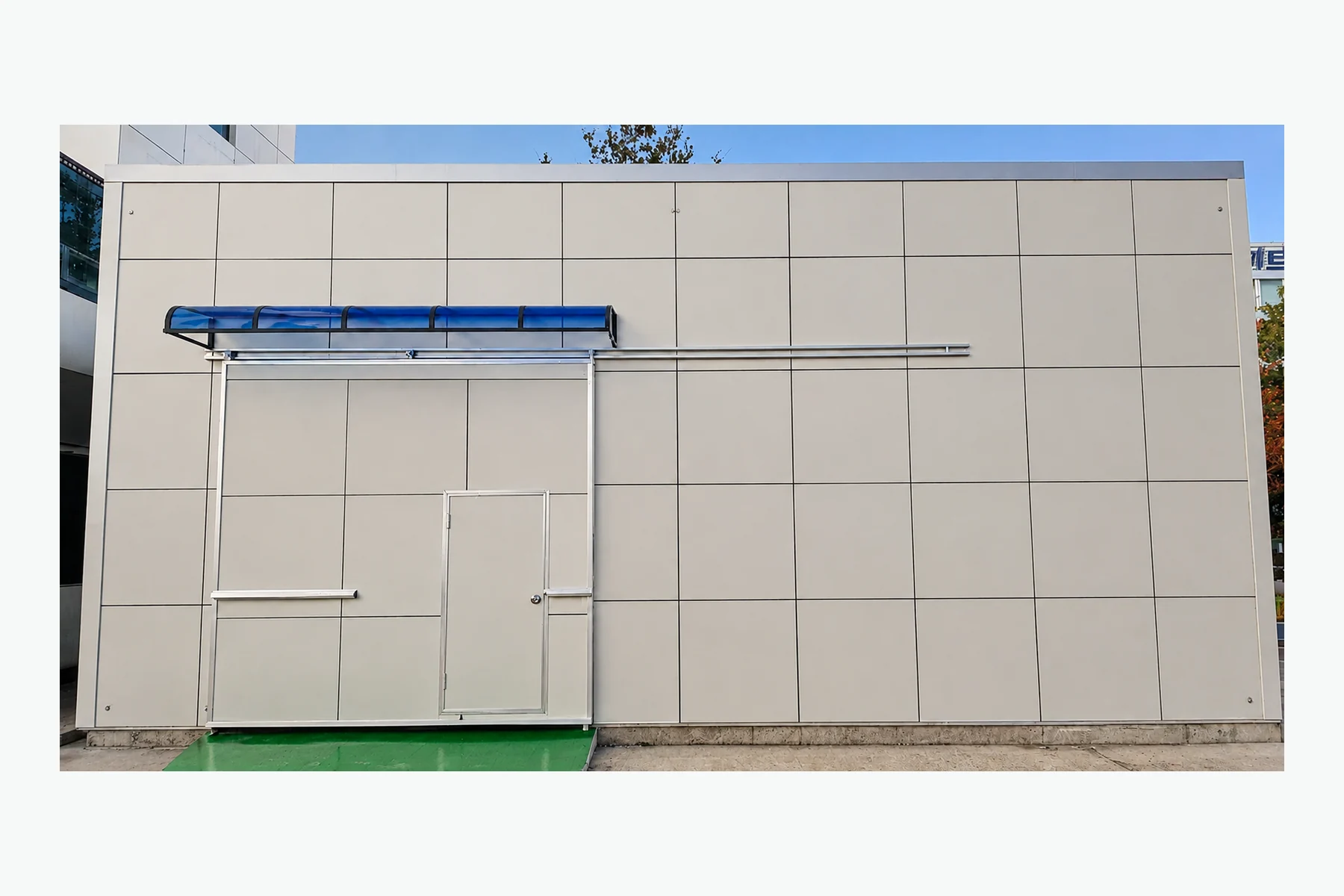
Dedicated infrastructure for underwater acoustic testing, measurement, and controlled validation activities.
The infrastructure supports raw-material preparation, single-crystal manufacturing, machining, electrode deposition, sensor assembly, and electrical/acoustic measurement.
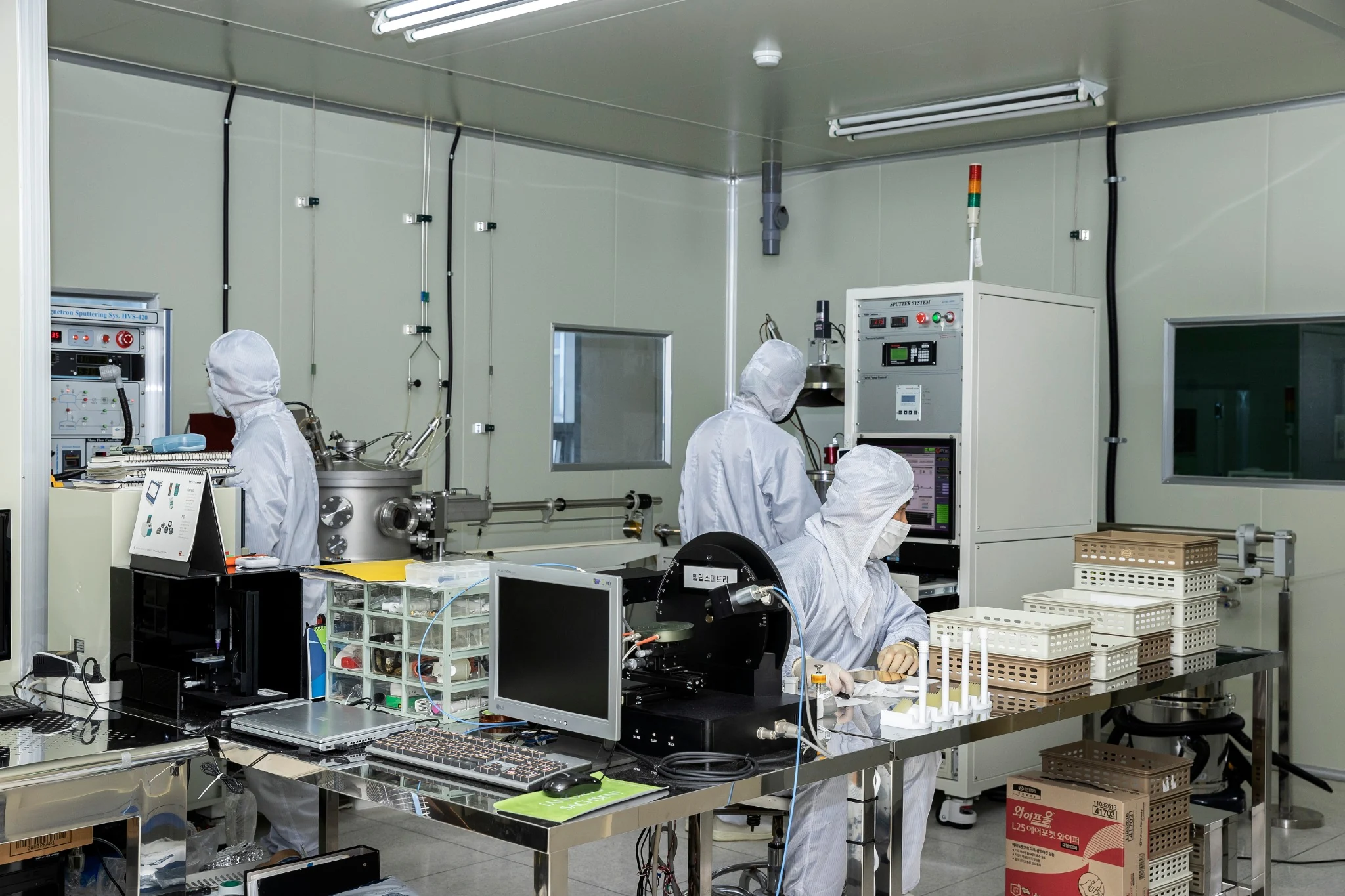
Controlled cleanroom work supports precision electrode processing and preparation of sensitive materials and components.
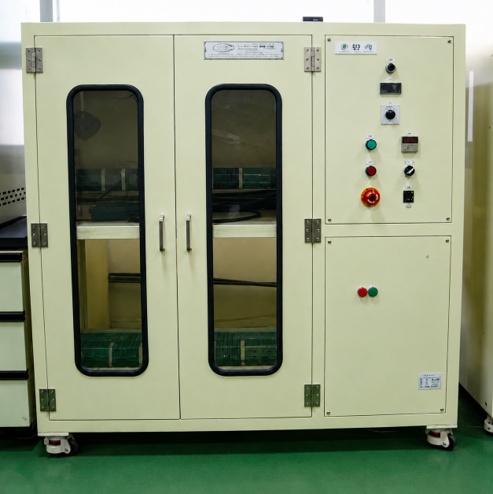
Equipment used to prepare and condition source materials before single-crystal manufacturing.
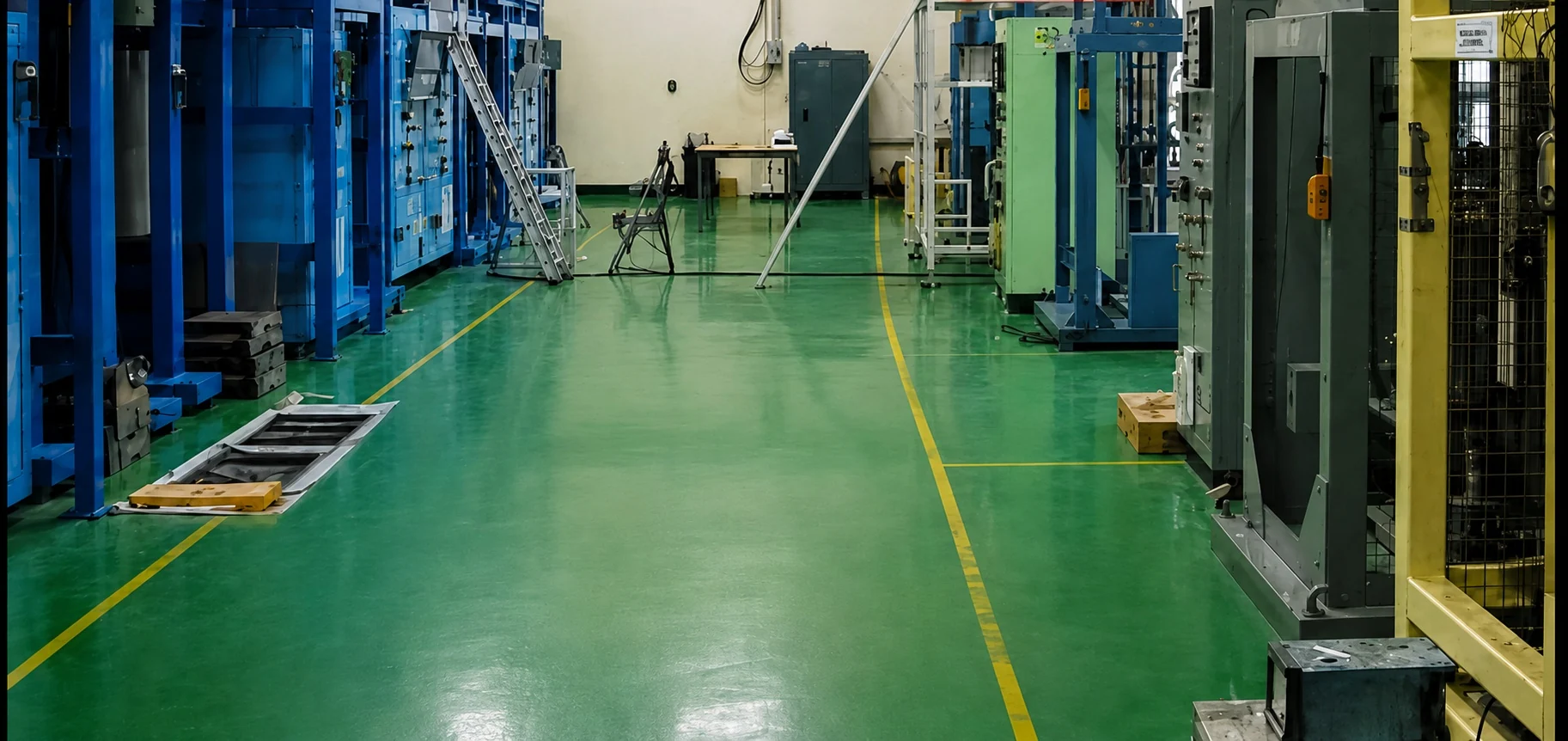
Dedicated production equipment forms the core of iBULe's piezoelectric single-crystal manufacturing capability.
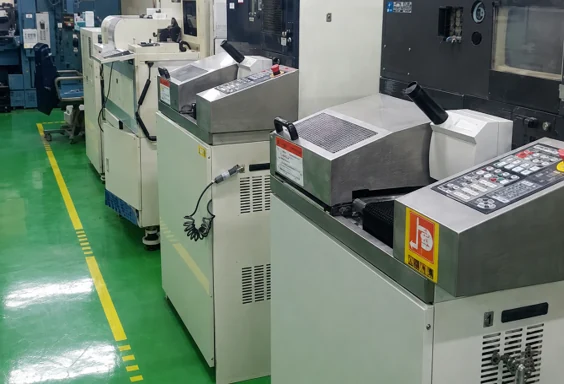
A fleet of machining systems supports controlled dimensional processing of crystals, components, and sensor parts.
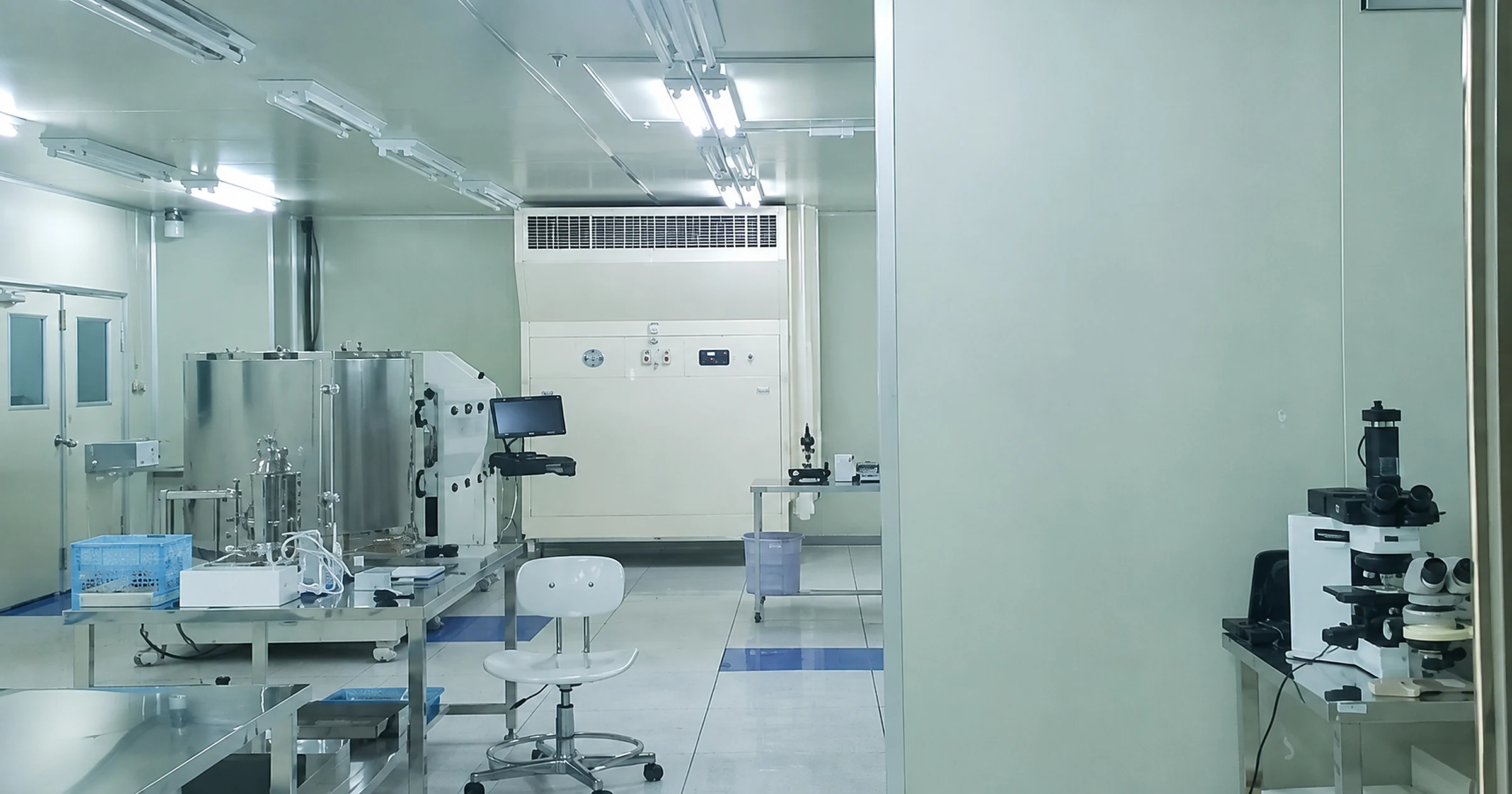
Electrode-processing equipment supports the electrical interfacing required for crystal and sensor-device realization.
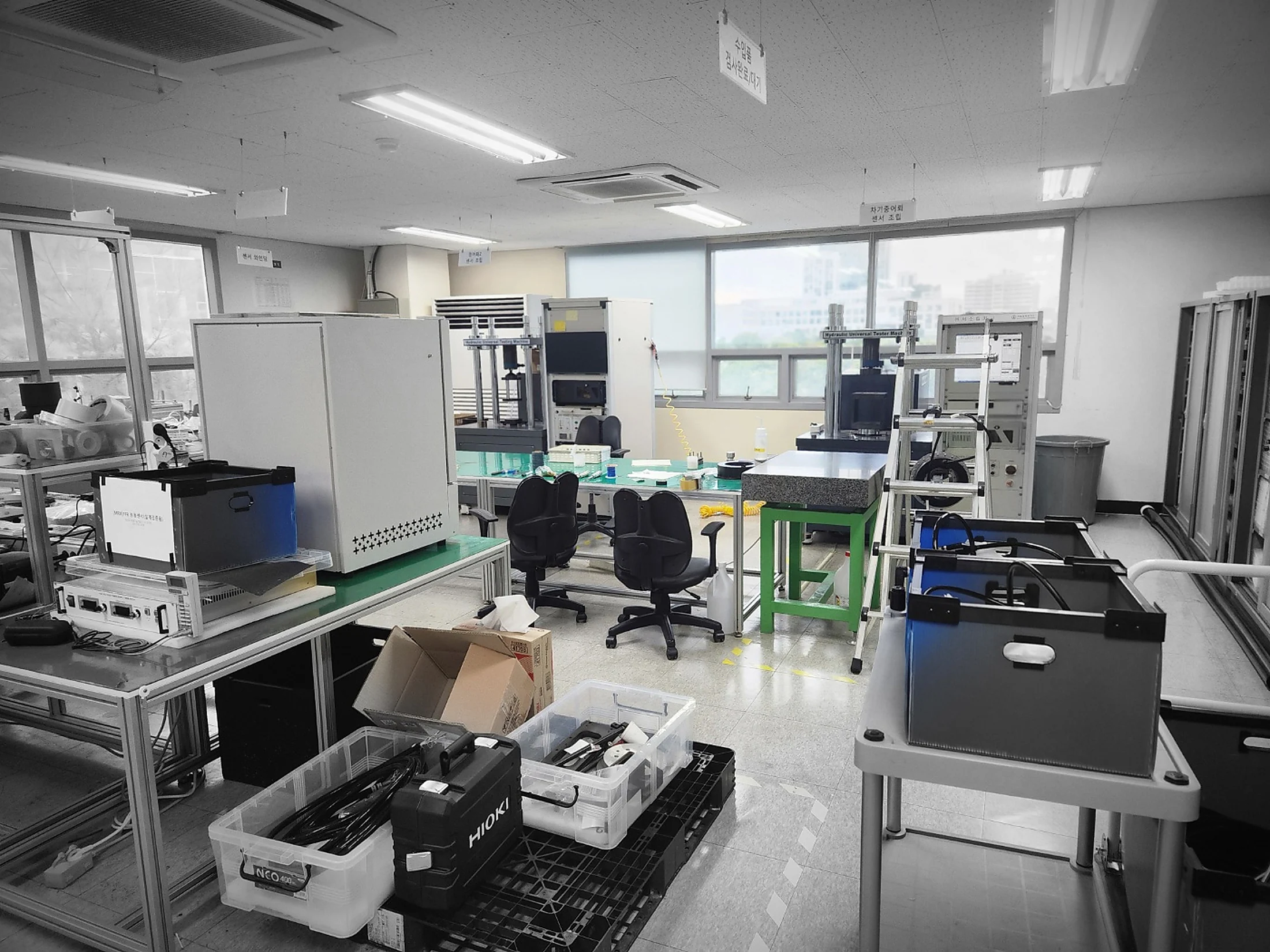
Dedicated assembly space supports integration of processed crystal elements into sensor and transducer assemblies.
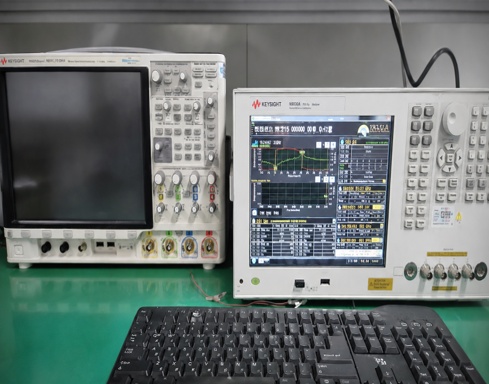
Electrical and material measurement systems are used to characterize components and verify device-level performance.
SDECS (Stress Dependent Electromechanical Characterization System) provides a dedicated framework for evaluating material properties under controlled stress conditions.
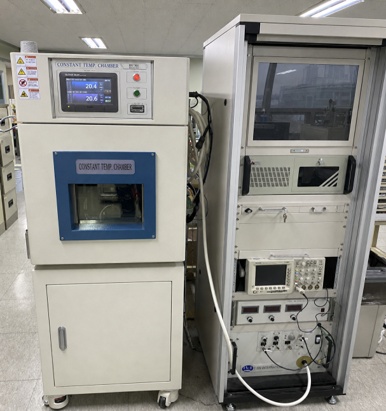
Dedicated material-characterization equipment supports quantitative evaluation of stress-dependent electromechanical behavior.
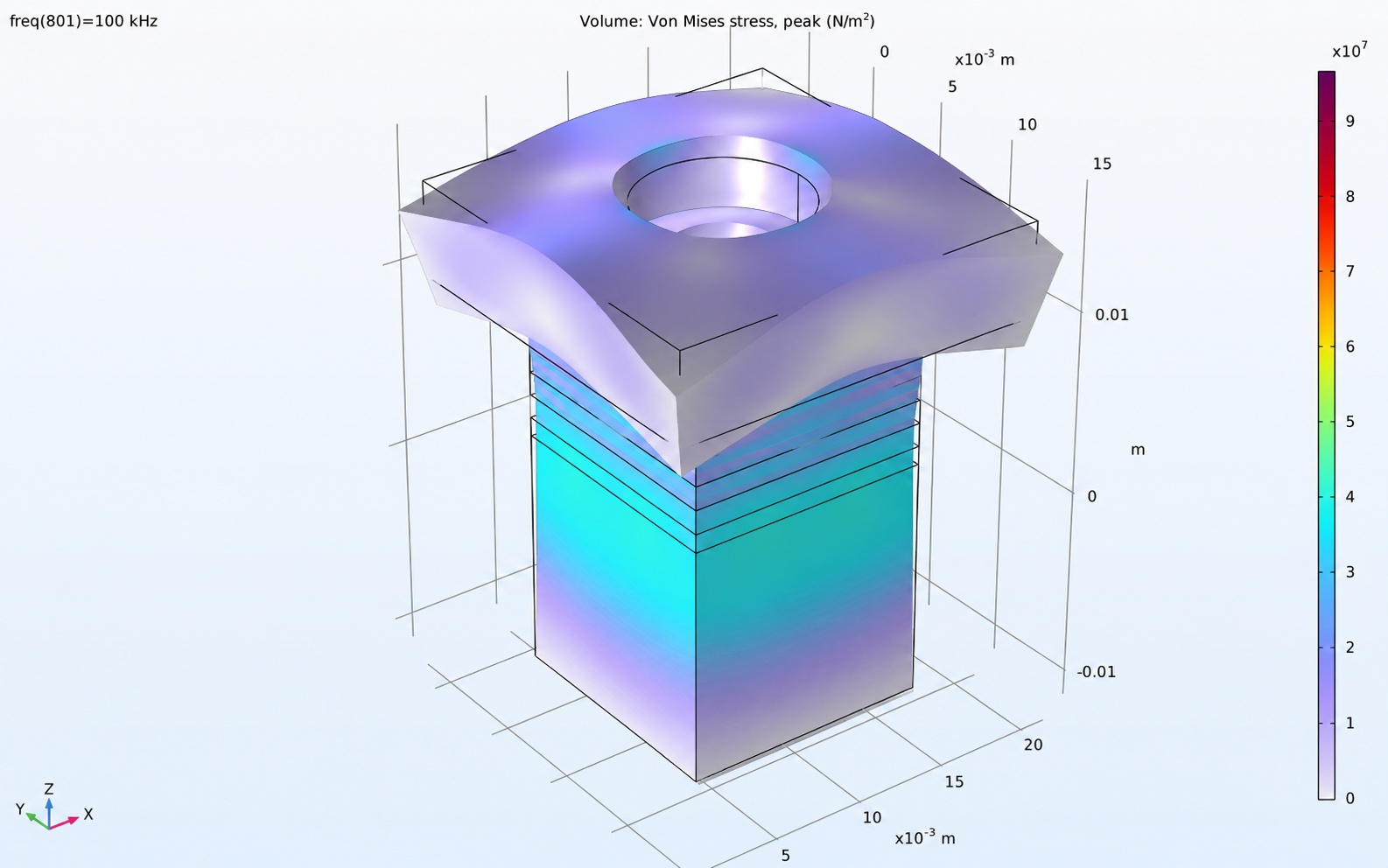
Analysis outputs support material comparison, engineering decisions, and performance verification during development.